
World-wide, there is a marked increase in prevalence of all types of allergic conditions over the last few decades. From a survey of UK data over the past 20 years from 1998-2018, the incidence of food allergies needing hospitalisation is rising.
Navigating the journey of food allergies could be quite scary and anxiety-provoking for many families, children and young people. Timely diagnosis by a specialist with expertise in allergies along with testing like skin prick tests and blood tests will help manage food avoidance, and reintroduction at the right time. In some cases, when the diagnosis of the food allergy is not clear from the clinical assessment and tests, an oral food challenge in the clinic helps to aid diagnosis or to support reintroduction at the right time.
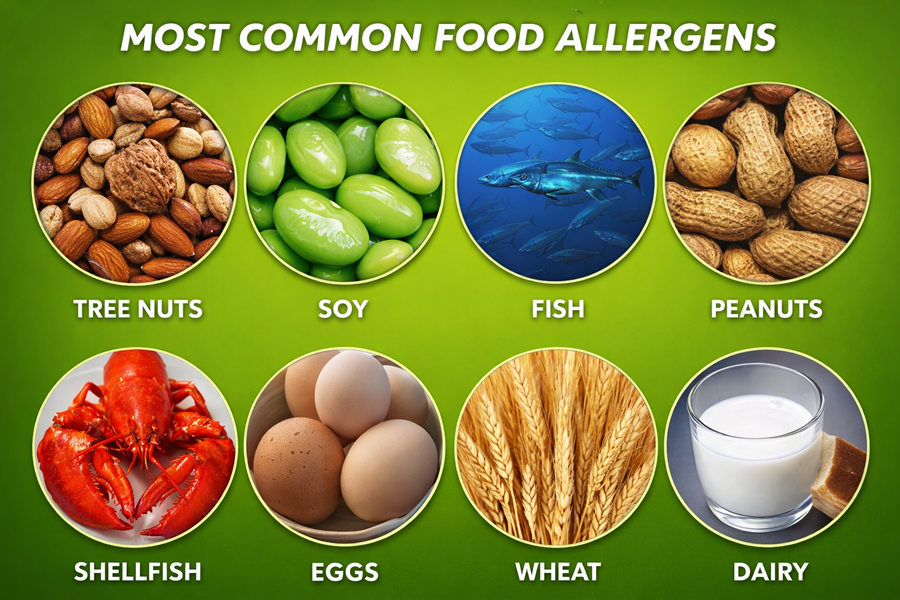
Immediate food allergies, non-immediate food allergies, intolerance and cross-reactivity to foods
It is important to also distinguish between immediate and non-immediate type of food allergies; these are both different from a food intolerance which is not a immune system-mediated response.
Immediate food allergies could present with :
• Mild to moderate symptoms like hives/nettle rash, swelling of face, vomiting
• Severe allergic reactions like anaphylaxis- some of these episodes could be life-threatening
Delayed food allergies could present with symptoms similar to reflux, diarrhoea, being unsettled rashes like eczema.
In older children, especially with other allergic conditions like hay fever, a cross-reactivity to some fruits and vegetables might cause symptoms of itching in the mouth and throat. This is called pollen food syndrome or oral allergy syndrome. Proactive management of hay fever with medications, sprays and pollen immunotherapy is recommended. All these services are provided at Paediatric Diagnostics.
Allergy Diagnostic testing
All the above types of allergic reactions can be assessed and managed with the state-of the art diagnostic facilities at Paediatric Diagnostics by our skilled allergy consultant, nursing and dietetic teams. These include
- Skin Prick Allergy testing
- Prick to prick Allergy testing to fresh and cooked foods
- Specific IgE blood tests
- Component allergy testing- helps with diagnosis of cross-reactivity
- ALEX-3- Broad spectrum allergy tests looking at nearly 300 allergens
- Oral food challenges
Oral food challenge and Supervised feeds
At Paediatric Diagnostics, we provide oral food challenges and supervised feeds to a variety of fresh, cooked and baked foods which are suspected to be allergens. This gives families, children and young people with the peace of mind, while the child is in the safe clinic setting monitored by the allergy consultant and nursing team.
Food challenges help in avoiding unnecessary dietary and nutrient restrictions when the diagnosis is unclear; this is the gold standard to help confirm/refute food allergies. A formal food challenge also helps to reintroduce food at the appropriate time when the child is able to tolerate the food protein.
Can food allergies be prevented?
Maternal and neonatal interventions would be beneficial to prevent food allergies to a certain extent. A dedicated multidisciplinary postnatal service at PD led by a consultant paediatrician will provide tailored advice regarding timely introduction of allergenic foods into your baby’s weaning diet. Breastfeeding, with the mother having a varied diet helps the development of babies’ healthy gut flora; and does help the baby to tolerate various food proteins.
There is plenty of high-quality evidence that timely early introduction of allergenic foods could prevent food allergies like peanut allergy; this can be supported by allergy tests as indicated after a specialist assessment. Proactive individually tailored management of eczema is provided at the Eczema service at Paediatric Diagnostics; this will prevent skin flare-ups. If not addressed promptly, flare-up of eczema could potentially contribute to food allergies.
Always seek help early if you are worried of food allergies.